


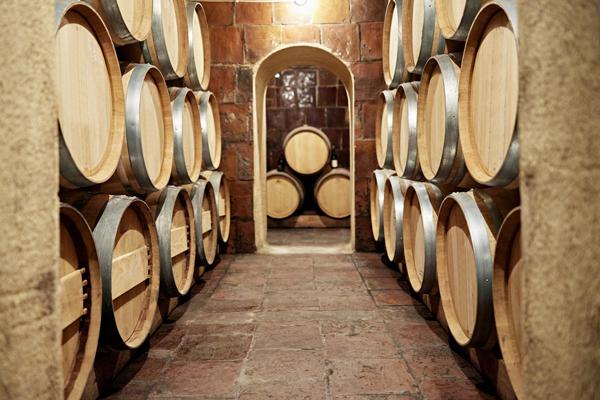
From the first spring petals to the sun-kissed clusters at the end of summer, the vine is more than a plant.
It keeps time, carries tradition, and bridges land and glass. At Viladellops, this living nature beats strongly.
Let’s explore its story, how it grows, and how you can bring a piece of this heritage straight to your table.
What is the vine?
The vine (Vitis vinifera) is a woody perennial of the Vitaceae family.
It has a robust root system, a trunk that endures from year to year, new canes each spring, compound leaves, and grape clusters.
Its genetic diversity allows many varieties to express different terroirs—some aromatic, others more structured; some white, others red.
In Mediterranean climates like Penedès, warm dry summers, mild winters and limestone soils shape mineral aromas, elegance and freshness.
Origin and history
Archaeology places early viticulture in the Middle East more than 6,000 years ago. Civilisations such as the Sumerians and Phoenicians cultivated vines and traded wine.
From there, the vine spread to Egypt, Greece and Rome, where wine became central to culture, economy and ritual.
In the Iberian Peninsula, the Romans consolidated vineyards along the Mediterranean. Over time, local microclimates shaped distinctive grape varieties.
In the area of Viladellops, records show settlement around the year 930 near Olèrdola Castle, and the estate has produced wine since 1877.
In the 1990s the estate was renewed, and in 1999 a modern project began with a clear Mediterranean identity.
Parts and characteristics of the vine
Roots
They anchor the plant and absorb water and minerals. Even in dry periods, deep roots help the vine find resources.
Trunk and canes
The trunk is the permanent woody structure. Each year, young canes carry leaves, flowers and grapes.
Leaves and flowers
Leaves drive photosynthesis. Tiny flowers grouped in clusters are the starting point for fruit after pollination.
Clusters and grapes
Grape clusters pass through growth, veraison (colour change), and ripening. Acids, sugars, aromatics and tannins find balance along the way.
At Viladellops, this development interacts with limestone soils—poor in nutrients and rich in marine fossils—adding a distinctive mineral character.
The annual cycle
Budbreak
With spring warmth, buds awaken and green shoots appear.
Flowering
Flowers open and set fruit. When weather is kind, fruit set is even and healthy.
Veraison
Grapes change colour—whites turn golden; reds take on ruby and blue tones. Sugars begin to accumulate.
Ripening and harvest
Grapes reach balance between sugars, acidity and aromas. Harvest timing depends on the wine style sought.
Viticulture in Penedès and at Viladellops
Farming defines character. At Viladellops, traditional know-how blends with certified organic practices.
The estate sits around 250 metres above sea level. Clay-limestone soils with marine fossils and the nearby Garraf massif create a unique microclimate: sea breezes and Mediterranean temperatures.
Key varieties are Xarel·lo (white) and Garnacha/Grenache (red). In some cuvées, Syrah appears. Today, 60 hectares of vineyards sit within a protected Mediterranean landscape.
Viladellops: a wine village with heart—and an online shop
Viladellops is more than a winery in Barcelona. It’s a restored rural hamlet with preserved architecture and heritage landmarks like an 11th-century tower and a 13th-century chapel.
The estate is officially certified organic. The philosophy is clear: respect for soil, landscape and local tradition.
In the online shop you’ll find:
- Viladellops Xarel·lo, fresh and mineral.
- Viladellops Garnacha/Grenache, a Mediterranean red with identity.
- Turó de les Abelles, a premium expression of the estate.
- L.D. Ancestral and Parany, limited releases for collectors.
You can also book wine experiences: premium tastings, historical routes, 4×4 vineyard tours, or stays in the restored farmhouses.
From our vineyards to your home
Picture opening a bottle of Xarel·lo grown here: mineral notes, a hint of wild thyme, and a gentle sea-breeze feel.
It’s more than a drink—it’s soil, climate and culture in a glass.
Visit the Viladellops online store to choose your bottle, or plan a visit to feel the vineyard with all your senses.
When you share Viladellops, you share Mediterranean heritage and a mindful way of making wine.
References
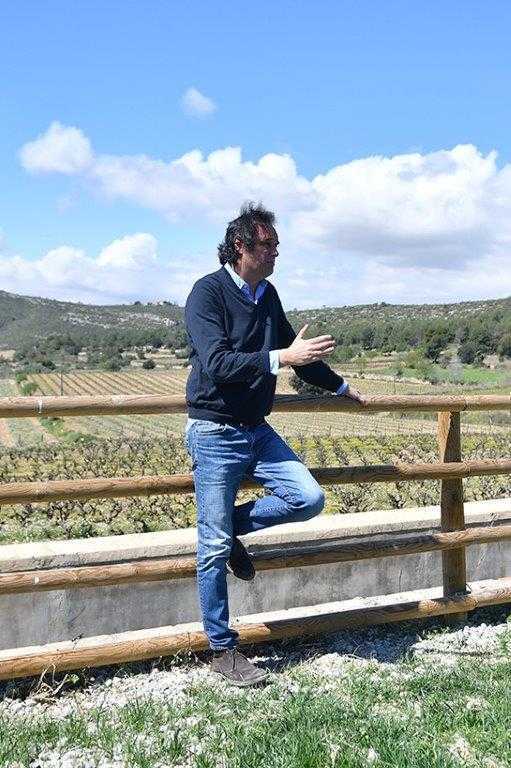
Responsible for Finca Viladellops, Marcelo represents the new generation of a family dedicated to interpreting the Garraf landscape through organic and honest wines. His work focuses on respect for the land and the pure expression of native varieties.
