Understanding wine tasting notes opens a door to deeper enjoyment, better choices, and more meaningful conversations about wine. Whether you’re discovering your first bottle or refining a seasoned palate, this guide will elevate your wine journey.
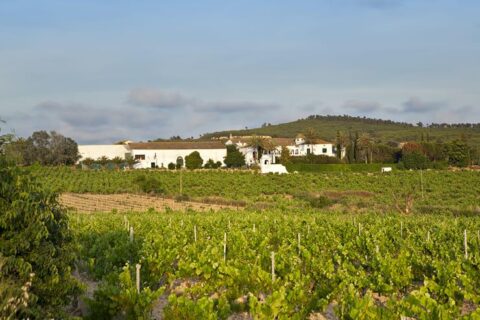
At ViladeLlops, nestled in the Garraf Massif, we believe that mastering tasting notes enhances appreciation for the unique expressions of our wines, zesty Xarel·lo. Here’s everything you need to know.
What Exactly Are Wine Tasting Notes and Why Do They Matter?
Wine tasting notes are essentially your personal, descriptive records of a wine’s complete sensory profile. More than just a simple opinion, they are structured observations that help you articulate and identify what you smell (aromas) and taste (flavors), making it easier to recall specific wines, compare different wine experiences, and share your impressions with others.
The Purpose of a Good Tasting Note: For You and For ViladeLlops
As a wine lover, a well-crafted tasting note serves as an invaluable personal tool. It allows you to track the wines you’ve experienced, chart the development of your palate, and pinpoint the wine characteristics you most enjoy.
Furthermore, good notes provide crucial information that aids in informed buying decisions and helps you master the art of food pairing, ensuring every meal is complemented perfectly.
From our perspective at ViladeLlops, tasting notes are a vital way to communicate the very essence of our wines. They tell the story of how each wine is meticulously shaped by the unique Garraf terroir – its calcareous soil, the refreshing Mediterranean breezes, and our unwavering commitment to sustainable viticultural methods.
Benefits: Enhancing Your Wine Knowledge and Connection
Engaging with wine tasting notes significantly enhances your wine education. You’ll begin to recognize the signature profiles of different grape varietals, understand the subtle terroir influences (like those from our Garraf Massif), and appreciate diverse winemaking styles.
This deeper understanding naturally builds your confidence and allows for more meaningful engagement in wine discussions, whether with friends or fellow enthusiasts.
Ultimately, the practice of taking and reviewing notes helps you discover what you truly love in a wine, refining your preferences and leading to more satisfying wine experiences.
The Tasting Methodology: Mastering the 5 ‘S’s for Your Wine Notes
A systematic approach can greatly enhance your tasting. The ‘5 S’s’ provide a simple yet effective framework:
See: Analyzing the Wine’s Appearance
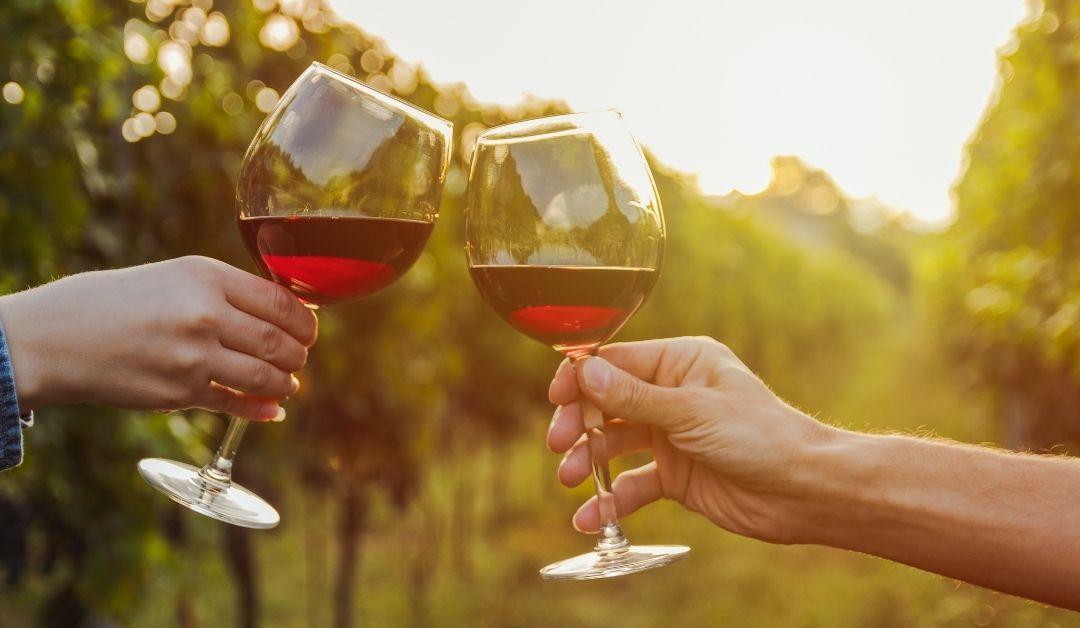
The first step is to See. Pour a measure into your wine glass and observe its appearance. Look for clarity (is it brilliant, or perhaps slightly hazy for an unfiltered wine?), assess the intensity of its color, and note the specific hue.
For example, a young ViladeLlops Xarel·lo might exhibit a pale straw yellow with greenish tints, while our Garnacha could show a deep ruby. Don’t forget to note the ‘legs’ or ‘tears’ – the streaks that run down the side of the glass after swirling, which can give clues about the alcohol or sweetness level.
Swirl: Releasing the Wine’s Bouquet
Next, Swirl the wine gently in your glass. This simple action oxygenates the wine, allowing it to ‘open up’ by releasing the volatile aromatic compounds and intensifying its bouquet.
Smell: Uncovering Primary, Secondary, and Tertiary Aromas
Now, Smell. Bring the glass to your nose and take a deep sniff. Try to identify the different layers of wine aromas. Primary aromas are grape-based and include fruit notes, floral notes, and herb notes.
Secondary aromas are fermentation-related, often described with terms like yeast or bread dough, especially in wines aged on lees. Finally, tertiary aromas develop from aging influences, whether in oak (vanilla, spice) or bottle (e.g., leather, tobacco, forest floor).
Sip: Exploring Flavors and Mouthfeel
It’s time to Sip. Take a small amount of wine into your mouth and let it coat your palate. As you do, focus on detecting its structural components: the overall balance, the level of acidity (does it make your mouth water?), the presence and nature of tannins (if it’s a red wine), the perceived alcohol level, the wine body (is it light or full?), and the degree of sweetness or dryness.
Savor (or Spit): Evaluating the Finish and Overall Impression
Finally, Savor. After swallowing (or spitting, if tasting multiple wines), assess the wine finish or aftertaste. How long do the flavors and sensations linger on your palate? Is the finish short, medium, or long? Is it pleasant and complex?
This persistence is often an indicator of wine quality and contributes significantly to your overall impression.
The Language of Wine: Key Descriptors for Aromas, Flavors, and Structure
Understanding the language of wine is essential for crafting precise and evocative tasting notes. This section offers a detailed guide to describing a wine’s appearance, aromas, palate sensations, and structural components.
Describing the Wine’s Appearance in Detail
Beyond the initial ‘See’ step, your notes should detail the wine appearance. For white wines, common color descriptors range from pale lemon-green to deep gold or even amber for some aged or sweet styles.
For red wines, you might see youthful purple hues, classic ruby red, or mature garnet tones, often with evolving rim variation. Also, note the intensity (pale, medium, deep) and clarity (brilliant, clear, any haziness).
Identifying Aroma Families (The Nose)
Fruit Notes Perhaps the most immediate aromas are fruit notes.
These can range widely: Citrus fruits like lemon or lime (often found in our young ViladeLlops Xarel·lo); Red fruits such as strawberry or cherry (common in rosé or lighter red wines like some expressions of Sumoll); Black fruits like blackberry or plum (typical of fuller-bodied reds); Stone fruit like peach or apricot (in certain white wines or rosés); and even Dried fruit notes like fig or raisin in some aged or dessert wines.
Floral Notes Floral notes can add an alluring dimension.
Common floral scents include acacia, honeysuckle, jasmine, rose, or orange blossom. In our Garraf Xarel·los, you might detect subtle hints of wild white flowers or fennel flower, reflecting the local Mediterranean flora.
Herb Notes & Balsamic Herb notes and balsamic aromas often speak directly of the wine’s origin or grape variety.
Think of fresh or dried herbs like thyme, rosemary, fennel, mint, or even notes of eucalyptus or green bell pepper. The wild Garraf’s natural herbs surrounding our vineyards often lend these characteristic nuances to ViladeLlops wines.
Spice Notes Spice notes can range from sweet baking spices like clove and cinnamon to pungent black pepper or licorice.
These can be inherent to the grape (like Syrah’s peppery note) or derived from oak aging (which often imparts vanilla and sweet spice aromas).
Earthy Notes & Minerality Earthy notes evoke scents of forest floor, damp earth, or even mushroom.
Minerality in wine is a more abstract concept but highly prized, often described with terms like wet stone, flint, graphite, or chalk. At ViladeLlops, the distinctive minerality in many of our wines is a signature of the Garraf’s limestone-rich terroir.
Notes from Winemaking & Aging The winemaking process and subsequent aging contribute significantly to a wine’s aromatic profile.
Contact with lees (spent yeast cells) can impart creamy textures and aromas of bread dough or brioche. Oak aging in barrels can introduce notes of vanilla, toast, smoke, chocolate, or coffee.
Extended bottle aging can develop complex tertiary aromas such as leather, tobacco, game, or truffles.
Decoding the Palate: Key Structural Components
Sweetness
On the palate, sweetness (or its absence) is a primary perception. Wines range from bone dry (with no perceptible sugar) through off-dry, medium-dry, medium-sweet, to lusciously sweet. This is largely determined by the amount of residual sugar left after fermentation.
Acidity
Acidity is the mouth-watering sensation in a wine. It can make a wine feel crisp, refreshing, and vibrant, or if lacking, can make it seem flat or flabby. Good acidity is crucial for balance, longevity, and successful food pairing.
Tannins
Tannins are phenolic compounds found primarily in red wines, derived from grape skins, seeds, stems, and oak barrels. They create a textural, sometimes astringent or drying sensation in the mouth. Tannins can be described as silky, velvety, chalky, or grippy, and their structure contributes to the wine’s body and aging potential.
Alcohol
Alcohol (ethanol) contributes to the wine’s body, texture, and perceived sweetness. It can create a warming sensation in the throat, especially in higher alcohol wines. The level of alcohol should be in balance with the fruit, acidity, and tannins.
Body
Wine body refers to the perceived weight and richness of the wine in your mouth. It can be light-bodied (like some of our fresh ViladeLlops Xarel·lo), medium-bodied, or full-bodied (like a robust, aged Garnacha). Alcohol, tannins, and extract all influence body.
Flavors on the Palate
Once in your mouth, try to identify the specific wine flavors. Often, these will confirm the aromas you detected on the nose, but you might also detect new ones. These can range from fruit flavors to earthy notes, spice, or even a hint of smoke.
Finish
The wine finish (or aftertaste) is the persistence of flavors and sensations after you’ve swallowed or spit the wine. A long, complex, and pleasant finish is often an indicator of high wine quality.
Overall Impression: Balance, Complexity, and Quality
Finally, your tasting note should include an overall impression. Consider the wine balance: do the acidity, tannins, alcohol, and fruit exist in harmony? Assess its wine complexity – are there multiple layers of flavor and aroma? And what is your perception of its overall wine quality and aging potential (its ideal drinking window)?
How to Write Useful and Personal Wine Tasting Notes: The ViladeLlops Method
Understanding how to craft meaningful tasting notes transforms your wine experience from passive enjoyment to active appreciation. Here, we share practical advice inspired by ViladeLlops’ own tasting philosophy.
Setting the Stage: The Right Environment and Tools
To write accurate tasting notes, start by setting the stage. Choose a tasting environment with neutral lighting and free from distracting odors. Ensure you have clean glassware – a good quality wine glass will help concentrate aromas. An aroma wheel can also be a helpful tool, especially when you’re starting out.
Structuring Your Notes
Adopt a consistent structure for your notes. A common wine tasting note format includes sections for Appearance, Nose, Palate, Finish, and a final Conclusion or overall impression. You can use a simplified version or a more detailed one like the WSET (Wine & Spirit Education Trust) Systematic Approach to Tasting.
Be Specific but Authentic
Aim to be specific in your wine vocabulary. Instead of just writing ‘fruit’, try to identify which fruit – ‘green apple’, ‘blackberry’, ‘lemon zest’. However, it’s equally important to be authentic and describe the wine in terms that make sense to you and genuinely reflect your experience.
Tips for Improving Your Palate and Note-Taking Skills
There are several tips for improving your palate and note-taking skills. Practice side-by-side tastings of different wines (e.g., two Xarel·los from different vintages or terroirs) to highlight differences. Tasting blind (without knowing the wine beforehand) can remove preconceptions. You can also focus on one element per session, like concentrating only on acidity or tannins across several wines.
The ViladeLlops “Wine Journal”
We encourage you to keep a ViladeLlops Wine Journal. This is a wonderful way to track your tasting notes as you explore our diverse wine range – from young, vibrant wines to more complex, aged expressions, and to compare oaked versus unoaked styles. It’s a fantastic part of your ViladeLlops experience.
Practical Example: A ViladeLlops Wine Tasting Note
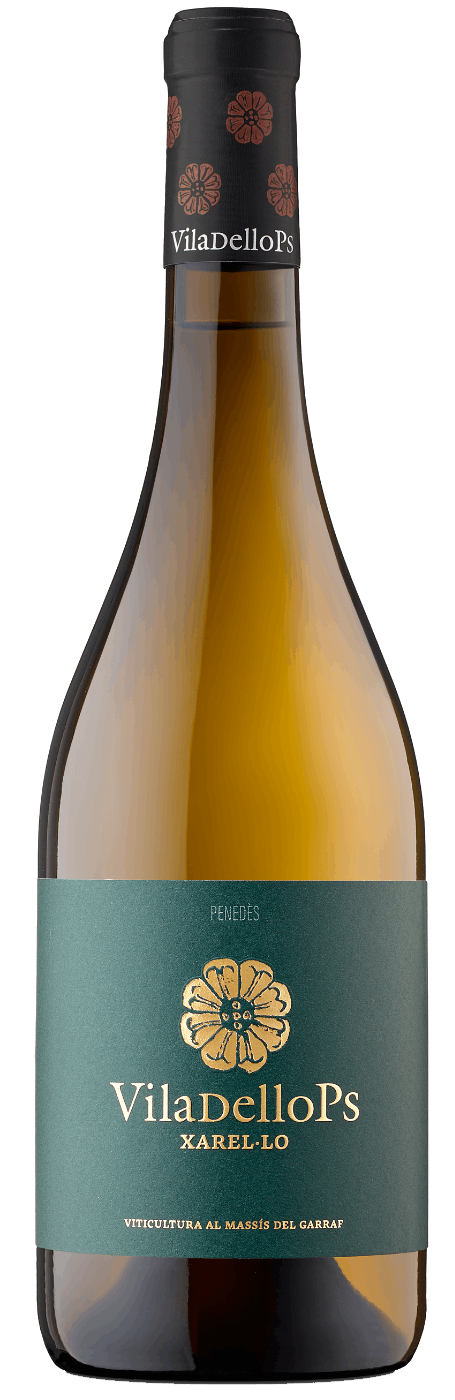
Viladellops Xarel·lo
Variety: 100% Xarel·lo from the organic vineyard Finca Viladellops in the Massís del Garraf.
Plot 118: Planted 1986, north-facing, calcareous soil. All plots use a trellis system with short (one-bud) pruning.
Vinification: Manual harvest in 15 kg boxes, selected in the vineyard. Grapes undergo pre-fermentative maceration in press after being cooled (5–8°C). Fermented in stainless steel at 15°C. Aged on fine lees in tank until bottling.
Tasting Note:
Appearance: Bright greenish-yellow hue, youthful and clean.
Nose: Very subtle and elegant, with fine lees giving a slight creamy backdrop. Aromas of fennel and delicate white fruits like pear, hinting at the Mediterranean landscape.
Palate: Full-bodied and textured (“fatty”), yet balanced by a refreshing acidity. White fruit and citrus come forward mid-palate, with a persistent retronasal expression of anise and citrus zest.
Finish: Long and precise, finishing on notes of citrus peel and a saline minerality, echoing the calcareous soils of Garraf.
Overall Impression: A refined and terroir-expressive Xarel·lo that combines finesse with vitality. Ideal with seafood, fresh cheeses, or on its own as a contemplative wine.
Elevate Your Wine Experience with Tasting Notes
Understanding and crafting wine tasting notes truly elevates your wine experience, transforming each glass from a simple drink into a journey of discovery. We at ViladeLlops hope this guide empowers you to explore wine with new confidence and insight. We warmly invite you to apply these principles as you enjoy our ViladeLlops wines and uncover the rich, unique character of the Garraf terroir.
Book your visit and tasting experience: Immerse yourself in the beauty and flavors of Garraf by booking a guided visit from our wine tours.
Whether you’re a curious beginner or a seasoned enthusiast, every note you write deepens your connection to the wine, the land, and the people behind it. Here’s to many more meaningful tastings. Salut!
Marcelo Desvalls
As the owner of Finca Viladellops, Marcelo represents the new generation of a family dedicated to interpreting the Garraf landscape through organic and honest wines. His work focuses on respect for the land and the pure expression of native grape varieties.
From the first spring petals to the sun-kissed clusters at the end of summer, the vine is more than a plant. It keeps time, carries tradition, and bridges land and glass. At Viladellops, this living nature beats strongly. Let’s explore its story, how it grows, and how you can bring a piece of this heritage […]
Great wine doesn’t come only from grapes. It comes from a place. That is terroir: the interplay of soil, climate, landform, grape varieties and human decisions that give a wine its identity. When terroir is understood and respected, your glass tells the story of the landscape. In Catalonia’s Penedès wines, that story often tastes bright, […]
A Historic and Sustainable Setting that Elevates Every Event Choosing Finca Viladellops for your private event means opting for an authentic Mediterranean setting in the heart of the Penedès, just 45 km from Barcelona. The estate blends scenic vineyards, cultural heritage, and organic winemaking, creating the perfect atmosphere for unforgettable celebrations. Heritage and cultural identity With […]