Great wine doesn’t come only from grapes. It comes from a place. That is terroir: the interplay of soil, climate, landform, grape varieties and human decisions that give a wine its identity.
When terroir is understood and respected, your glass tells the story of the landscape. In Catalonia’s Penedès wines, that story often tastes bright, mineral and delightfully Mediterranean.
What does terroir mean in wine? (a practical definition)
To grasp what wine terroir is, think in layers. There is the region’s climate, the mesoclimate of each subzone and the microclimate of every single vineyard. Then add soil, bedrock, grape material and people’s choices from vine to cellar.
- Macroclimate: the broader pattern (Mediterranean, continental, Atlantic…).
- Mesoclimate: conditions in a specific viticultural area (valleys, hills, maritime influence).
- Microclimate: the site-specific factors of a block (aspect, altitude, airflow, canopy shade).
This combination explains why two wines made from the same grape can taste completely different depending on their terroir.
The pillars of terroir (and how they show up in the glass)
Terroir elements work like gears in a watch. If one changes, the wine’s expression shifts too. Below you’ll find the key factors that shape a great terroir profile.
1) Soil and bedrock: texture, limestone and drainage
Limestone and other poor soils naturally limit vigor, leading to smaller berries and higher flavor concentration.
High drainage and slightly higher pH often translate into wines with freshness, precision and that chalky, stony mineral feel on the palate.
2) Climate, sea breezes and temperature range
In a Mediterranean setting, gentle sea breezes moderate heat and dry the canopy after dew or light rain, lowering disease pressure.
The result is consistent phenolic ripeness paired with balanced acidity and a clean aromatic profile.
East- and south-east-facing slopes bathe in softer morning light, which helps retain aromatic finesse.
Natural slopes also improve drainage and keep vigor in check, delivering leaner, more vertical wines.
4) Variety and rootstock
Local grapes adapted to their environment are the best terroir translators. In Penedès, Xarel·lo (pronounced “sha-REH-lo”) for whites and Garnacha (Grenache) for reds are benchmarks.
They capture the voice of the site with clarity and authenticity.
5) The human factor
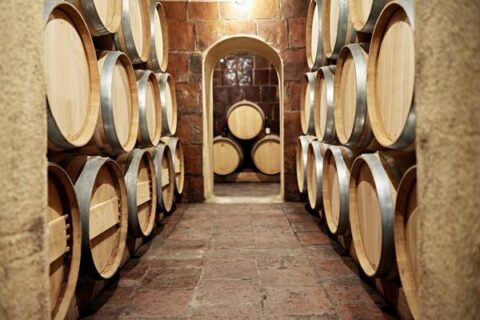
Pruning, yield management and manual harvest, plus cellar choices —stainless steel vs. oak, time on lees— can either reveal or mask terroir.
A minimal-intervention mindset, when done well, lets the place speak without noise.
“Terroir” vs. “terruño”: is there a difference?
In practice they mean the same. Terroir is the French term, terruño the Spanish one. The wine world often keeps the French word, but both refer to the unique environment that shapes a wine’s character.
The Garraf and Viladellops terroir (Penedès): why it tastes “of place”
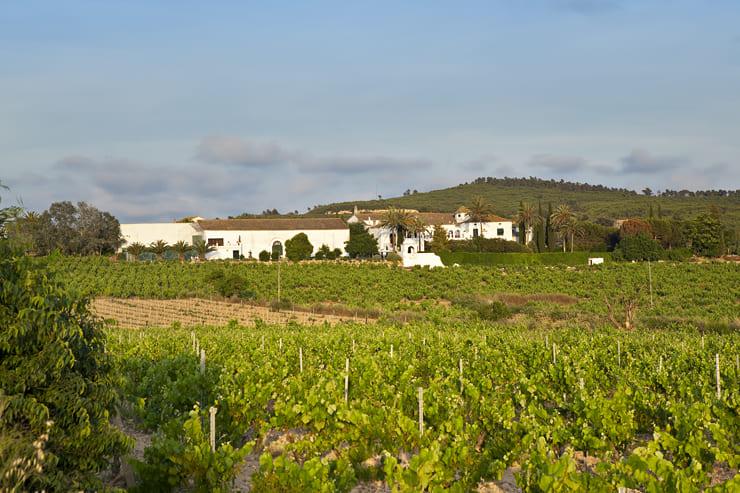
The Garraf Massif in the Penedès (Barcelona province) is a mosaic of limestone hills, Mediterranean scrub and maritime influence. Viladellops, near the castle of Olèrdola at about ~250 m a.s.l., sits on limestone-rich soils peppered with marine fossils.
Combined with a temperate climate, this terroir delivers tension, purity and a subtle saline signature that feels unmistakably coastal.
Soils: abundant limestone limiting yields and adding energy and a stony edge.
Climate: Mediterranean with breezes that preserve freshness and aromatic clarity even in warm years.
Varieties: a focus on native grapes. Xarel·lo brings precision and mineral drive in whites; Garnacha shapes reds with bright red fruit, gentle spice and a stony finish.
How terroir shapes flavor (sensory cues)
To spot terroir in wine, taste for constant signals linked to place. In Garraf and other limestone zones, look for the following cues:
- Limestone → a vertical palate with firm acidity, fine tannins and a chalky aftertaste, often with a light saline echo.
- Sea breeze → clean aromas, crisp fruit and sustained freshness.
- Moderate altitude (~250 m) → ripeness without heaviness.
- Garnacha from Garraf → bright red tones, fluid texture and a more stony than opulent finish.
Terroir, vintage and house style: telling them apart
To read a terroir-driven wine, separate what’s place from what’s year and what’s winemaking. This framework helps you taste origin more clearly.
- Terroir: constant signals (limestone, salinity, tension) year after year.
- Vintage: variable elements (ripeness, body, alcohol) shaped by the season.
- Style: human choices (steel vs. oak, lees, macerations) that can enhance or disguise a site.
A true “wine of place” keeps its signature despite vintage swings and stylistic choices, because terroir prevails.
How to spot a great terroir (quick checklist)
Use these cues when evaluating wines that aim to express their origin with honesty and depth:
- Recognisable identity blind (chalk, salinity, tension).
- Consistency across vintages.
- Depth and length on the palate.
- Age-worthiness (acid/tannin balance).
- Native varieties speaking clearly without heavy makeup.
Terroir in action: the Viladellops range
At Viladellops, the line-up is designed so the Garraf terroir leads the conversation. Whites lean into precision, reds into flow and texture, and ancestral sparkling captures pure Mediterranean freshness.
- Xarel·lo whites: stainless-steel purity or lees/oak complexity; always with the Garraf mineral thread.
- Garnacha reds: cool sites, hand-picking and fruit-forward vinification for a stony, drinkable Mediterranean profile.
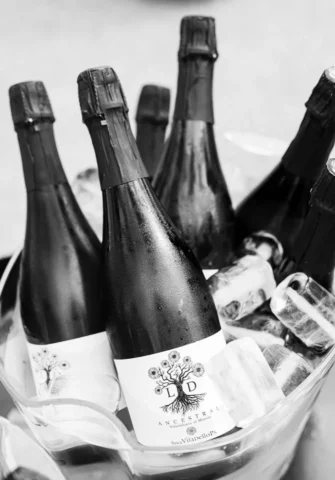
- Ancestral sparkling: single-fermentation bubbles; a direct read of landscape and zest.
Wine tourism: the most direct way to taste place
Walk the vineyards, touch the limestone and smell the Mediterranean scrub, and you’ll understand why Viladellops wines taste the way they do.
Come visit to experience terroir at the source, or explore it through our online shop.
Wine terroir, explained in your glass
Terroir isn’t empty poetry; it’s geology + climate + culture turned into flavor. In Viladellops (Garraf, Penedès), limestone with fossils, maritime influence and native grapes meet thoughtful viticulture.
The result is a bottle of Mediterranean energy. We’d love to welcome you to the estate, or you can discover it from home.
Sources and further reading